How to Choose the Right Hyperbaric Chamber for Your Needs
Choosing the right hyperbaric chamber is not just about selecting the largest model or the highest listed specification. The best decision depends on where the chamber will be used, how often it will run, who will use it, what body position is preferred, and whether the supplier can provide clear documentation, technical support, and model-specific configuration details.
For most buyers, the real question is not simply how to choose hyperbaric chamber models in general, but how to choose one that fits a specific use case. A chamber for a private home has different requirements from one selected for a gym, beauty salon, or wellness center.
Table of Contents
Quick Hyperbaric Chamber Selection Guide
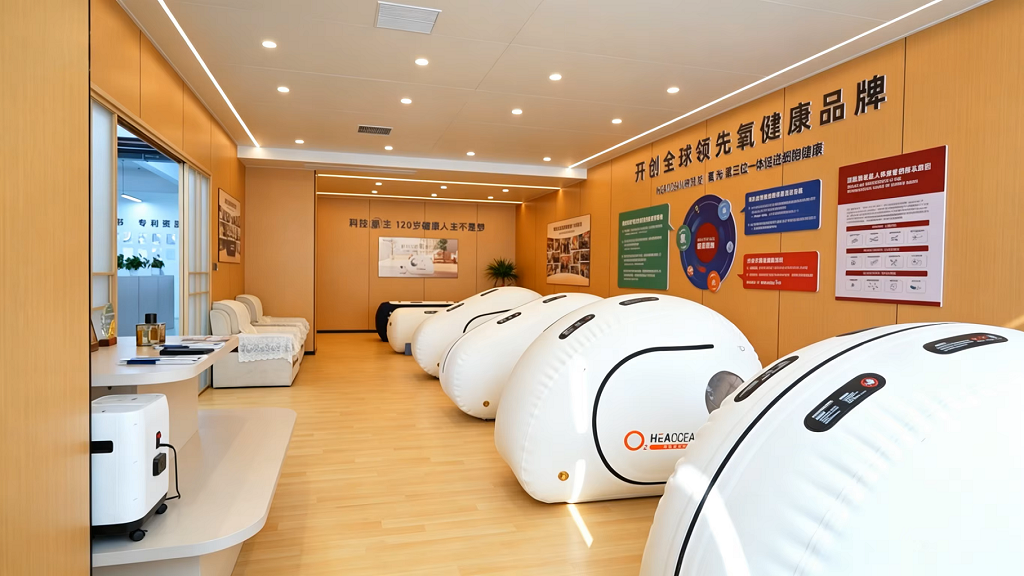
Many buyers start by comparing product photos, but the faster way to narrow the shortlist is to begin with use scenario, room space, and expected user volume. The table below provides a practical starting point for different buyer types.
| Use Scenario | Recommended Chamber Direction | Typical Capacity | Main Priorities | Must-Check Items |
|---|---|---|---|---|
| Home use | Lying chamber, sitting chamber, or sitting and lying soft chamber | 1 person; 2-person if shared | Comfort, ease of use, room fit, lower setup complexity | Room size, doorway width, voltage, noise, equipment placement |
| Gym / fitness recovery | Sitting chamber, sitting and lying chamber, or 2-person chamber | 1–2 people | Durability, easy cleaning, session turnover, user comfort | Daily bookings, airflow, cooling, workflow, operator training |
| Beauty salon | Sitting chamber or sitting and lying soft chamber | 1 person | Quiet operation, appearance, customer experience, compact layout | Room design, appointment duration, cleaning routine, branding fit |
| Wellness center | 2-person hard chamber, sitting and lying chamber, or multi-unit layout | 2 people and above | Capacity, premium presentation, operating efficiency, long-term support | Floor loading, ventilation, electrical setup, maintenance, team training |
| Distributor / OEM project | Model selected by target market | Project-based | Compliance, customization, lead time, after-sales support | Voltage, plugs, packaging, manuals, spare parts, MOQ |
Home
Gym
Beauty Salon
Wellness Center
Why Use Case Comes First
A hyperbaric chamber should be matched to how it will actually be used, not just how it looks in a catalog. A home buyer may care most about quiet operation and simple setup, while a wellness center may care more about daily capacity, customer flow, and long-term maintenance planning.
This is why use case should come before price comparison. Two chambers with similar dimensions can serve very different purposes depending on their body-position layout, included oxygen system, installation requirements, and intended operating environment.
A useful rule is to define three things first: who will use the chamber, where it will be installed, and how often it will run. Once those are clear, the right chamber category becomes much easier to identify.
Six Core Factors When Choosing a Hyperbaric Chamber
The right chamber is usually the result of balancing six practical considerations rather than maximizing one specification. These six factors help buyers compare models in a way that reflects actual use conditions.
1. Available Space and Installation Access
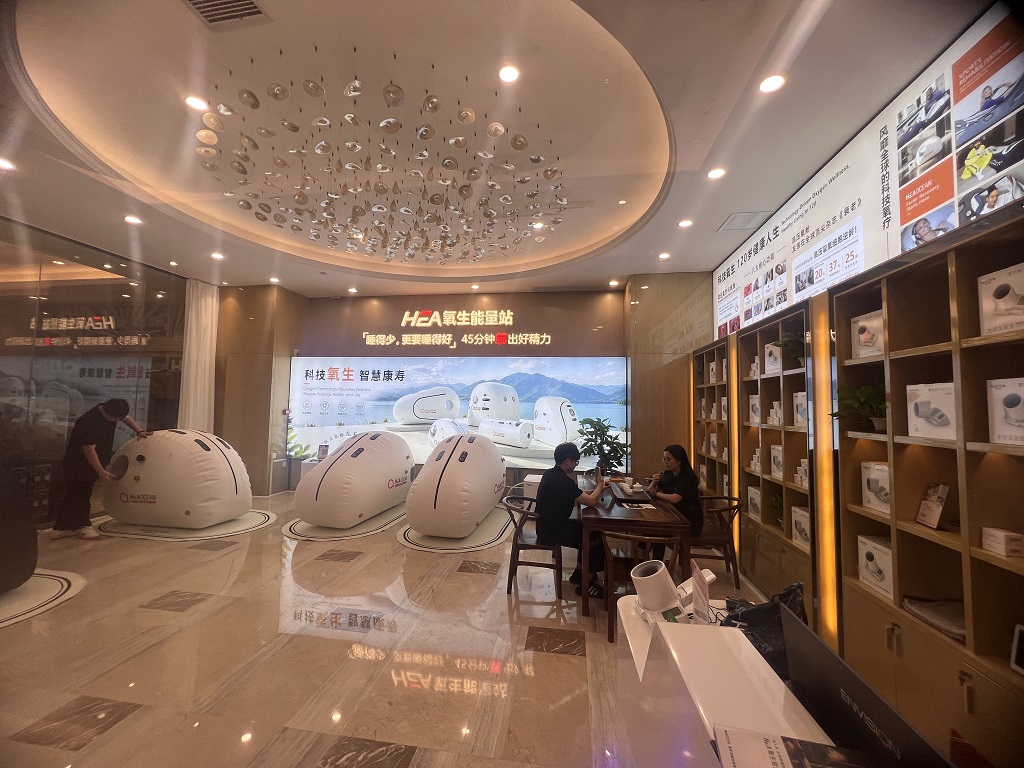
Room fit is one of the most common reasons buyers eliminate a model, and it is a must-check item for every buyer type in the Quick Selection Guide. Chamber size alone is not enough: the plan also needs to cover doorways, hallways, equipment placement, ventilation, and clearance for opening the door or zipper and for maintenance. This matters most in upper-floor rooms, narrow spaces, and busy commercial sites.
| Installation Item | What to Confirm |
|---|---|
| Room dimensions | Length, width, ceiling height, and usable floor area |
| Access route | Door width, elevator size, corridors, corners, and stair access |
| Operating clearance | Entry/exit area, zipper or door opening space, and maintenance clearance |
| Equipment area | Oxygen concentrator, air compressor, cooling unit, and accessory placement |
| Electrical supply | Voltage, frequency, outlet type, and power requirements |
| Ventilation | Heat dissipation, room airflow, and safe equipment spacing |
| Daily workflow | Customer entry, staff access, cleaning space, and waiting area layout |
2. User Capacity and Expected Daily Volume
Choose capacity from real operating demand, not the maximum number of people who can physically enter the chamber. The Typical Capacity column in the Quick Selection Guide gives starting points for each buyer type. A household can usually run one chamber with staggered use. Commercial buyers should estimate sessions per day, session length, changeover time between users, and available staff.
3. Sitting, Lying, or Sitting and Lying Configuration
Body position directly affects comfort, floor-space requirements, and user experience. Some buyers strongly prefer lying down, while others want to remain seated or offer posture flexibility for different users.
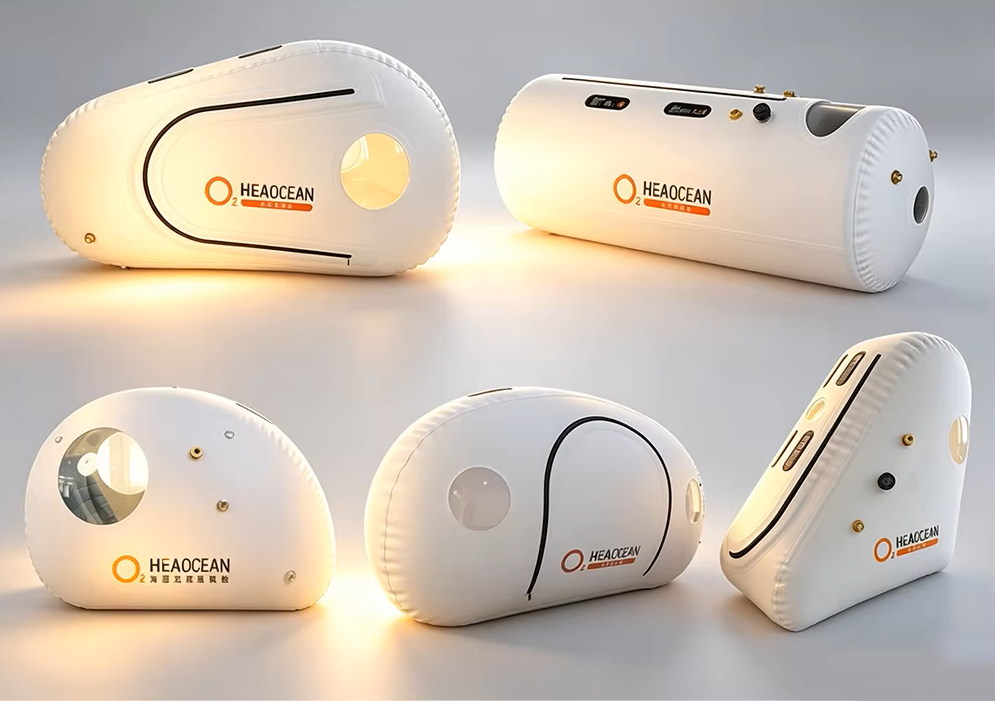
A lying chamber is usually best for users who want a rest-focused experience. A sitting chamber works better when floor length is limited or when users prefer to read, work, or stay upright. A sitting and lying chamber adds flexibility by allowing more than one posture option within one chamber layout.
| Chamber Type | Best Fit | Main Advantage | Main Limitation |
|---|---|---|---|
| Lying chamber | Home wellness, rest-focused use | Comfortable horizontal posture | Requires more room length |
| Sitting chamber | Beauty salons, gyms, compact rooms | More upright use and efficient footprint | Less suitable for users who want to lie flat |
| Sitting and lying chamber | Shared home use, gyms, flexible wellness use | Supports multiple posture preferences | Must verify actual interior layout carefully |
| 2-person hard chamber | Premium wellness centers, shared service model | Strong presentation and dual-user setup | More planning for installation and operation |
4. Pressure Configuration and Oxygen Equipment
Pressure is important, but it should not be isolated from the rest of the system. The buyer should confirm the actual working pressure for the exact model, along with how the chamber is operated, how oxygen is supplied, and what accessories are included.
For HEAOCEAN models, the pressure choice is between 1.3 ATA as standard and 1.5 ATA as a custom build. The oxygen system should be evaluated separately so that the concentrator specifications, flow rate, oxygen concentration, tubing, masks, and electrical requirements are all confirmed before ordering.
| Technical Item | What to Confirm |
|---|---|
| Working pressure | Exact operating pressure for the selected model |
| Main pressure target | Whether the build is 1.3 ATA standard or 1.5 ATA custom |
| Pressure display | Gauge type, visibility, and monitoring method |
| Pressurization | Operating procedure and normal timing |
| Pressure release | Standard release and emergency release design |
| Oxygen concentrator | Model, flow rate, oxygen concentration, and voltage |
| Delivery accessories | Tubing, mask, cannula, and replacement parts |
| Air system | Compressor configuration, placement, and operating noise |
| Cooling / ventilation | Included or optional cooling, airflow, and heat management |
5. Comfort, Cooling, Cleaning, and Daily Operation
A technically suitable chamber can still be the wrong choice if it creates a poor user experience. Comfort matters for both repeat personal use and commercial customer satisfaction.
Internal layout should be reviewed carefully. Buyers should check seating or mattress arrangement, legroom, cabin height, window placement, lighting, and communication features. Cooling, heat, and noise also matter more than many first-time buyers expect.
| Operation Factor | Why It Matters | Questions to Ask |
|---|---|---|
| Interior comfort | Influences session satisfaction and repeat use | What seat, mattress, or support is included? |
| Entry and exit | Affects ease for new or older users | How does the user enter and exit the chamber? |
| Windows and visibility | Can reduce discomfort in enclosed spaces | How many windows are included and where? |
| Cooling | Supports comfort during longer sessions | Is cooling included, optional, or external? |
| Noise | Important for homes and high-end spaces | What equipment creates sound and where is it placed? |
| Communication | Helps users contact staff or family | Is there an intercom or call system? |
| Cleaning workflow | Critical in shared-use environments | Which surfaces and accessories must be cleaned after each session? |
| Maintenance routine | Affects long-term reliability | What daily, weekly, or monthly checks are required? |
6. Manufacturer Capability, Documentation, and Support
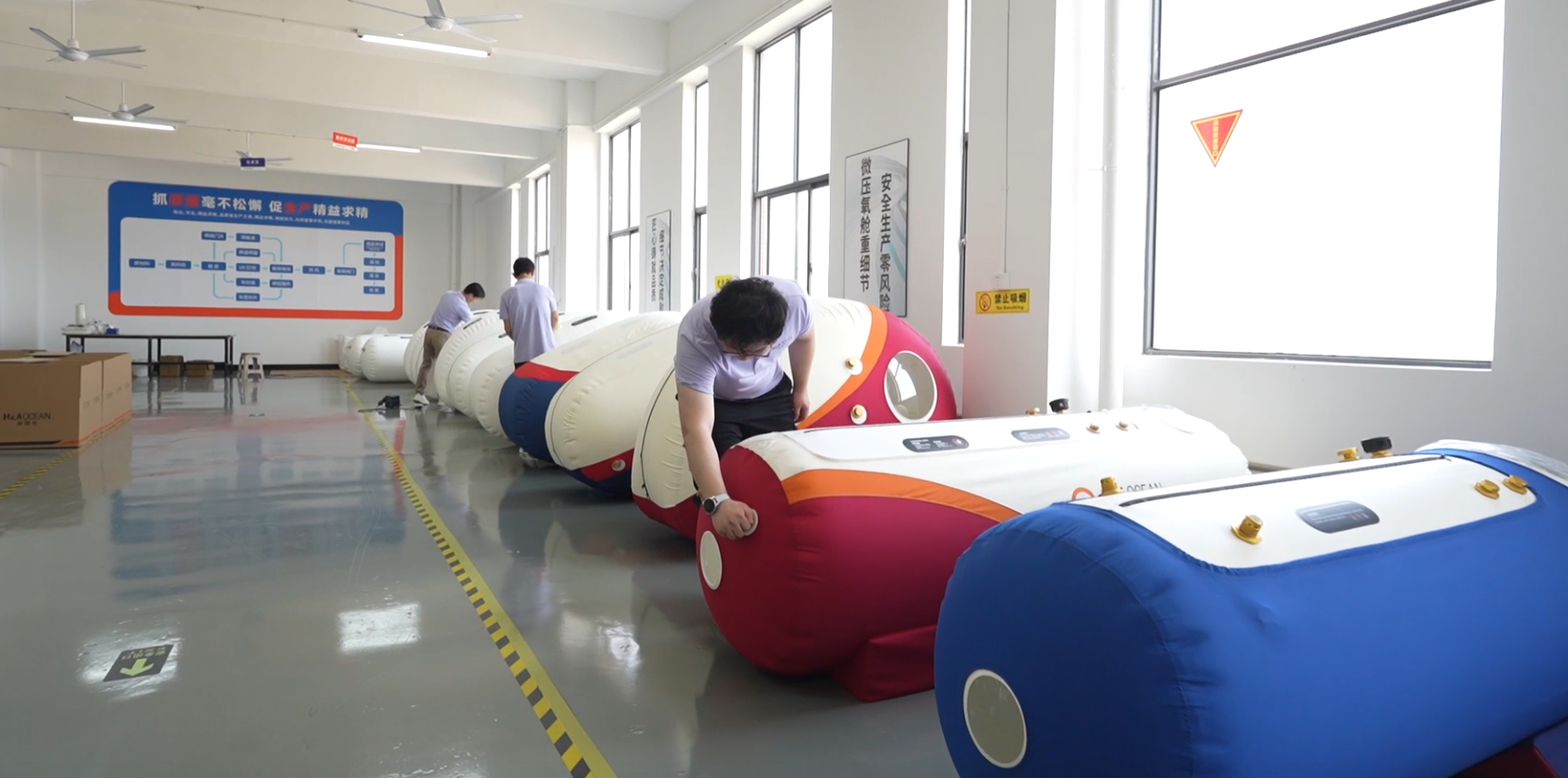
The supplier should provide more than product photos and general claims. A reliable manufacturer should be able to explain the chamber configuration, provide model-specific documents, clarify what is included, and support the buyer after shipment.
For distributors and overseas buyers, support goes beyond the chamber itself. It also includes voltage matching, plugs, packaging, manuals, spare parts, technical troubleshooting, OEM or ODM customization, and response speed after delivery.
| Evaluation Area | What to Request or Verify |
|---|---|
| Manufacturing capability | Factory information, engineering support, production scope |
| Product documentation | Model-specific spec sheet, manual, packing list, electrical data |
| Quality process | Pressure testing, inspection steps, and pre-shipment checks |
| Compliance documents | Applicable ISO, CE, RoHS, PSE, or destination-market documents |
| Quote clarity | Included items, optional items, lead time, payment, and shipping terms |
| Customization | Logo, color, packaging, manuals, and labels |
| Technical support | Installation guidance, troubleshooting, training materials |
| Spare parts | Availability of accessories, consumables, and replacements |
| Warranty | Coverage period, process, and exclusions |
| Destination support | Voltage, plug type, language, and shipping requirements |
Recommendations by Use Scenario
The same chamber type does not fit every buyer. The most useful way to compare options is by actual use scenario.
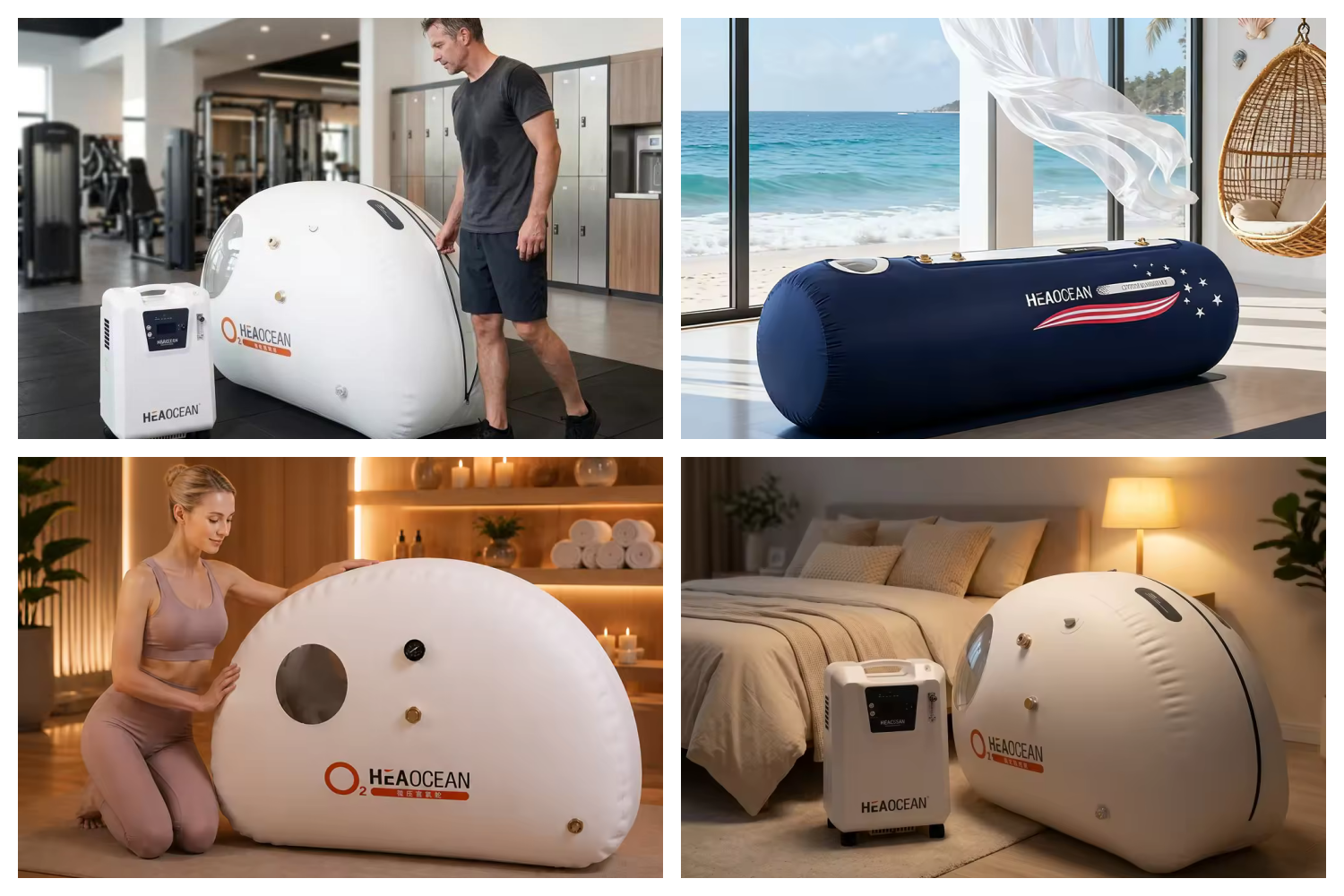
How to Choose a Hyperbaric Chamber for Home Use
For home use, the main priorities are room fit, simple operation, quiet running, and personal comfort. Room, doorway, and oxygen-equipment placement checks are covered in Factor 1. Beyond those, confirm that the noise level is acceptable in living areas, and decide whether portability matters, since that favors a soft-shell chamber over a more fixed layout. Buyers with enough floor length may prefer a lying chamber, while smaller rooms often suit a sitting chamber, or a sitting and lying model where both positions are wanted.
How to Choose a Hyperbaric Chamber for a Gym
Gyms should prioritize equipment that fits daily traffic, cleans efficiently, and supports a smooth operating routine, so the chamber works as part of the recovery service workflow rather than a premium-looking add-on. Capacity and turnover guidance is in the Quick Selection Guide. Two gym-specific points: a sitting and lying design helps when athletes have mixed posture preferences, and staff-led operation works best with clear controls that fit into existing SOPs.
How to Choose a Hyperbaric Chamber for a Beauty Salon
Beauty salons need a chamber that fits the room visually, operates quietly, and can be prepared smoothly between appointments. Both the sitting chamber and the sitting and lying chamber often suit compact rooms and client comfort expectations (see the Quick Selection Guide). If branding matters, choose a model with customization options, and prefer an easy-clean interior with efficient entry for faster appointment turnover.
How to Choose a Hyperbaric Chamber for a Wellness Center
Wellness centers should think beyond the first purchase and plan for long-term operation. Capacity, room planning, team workflow, customer segmentation, maintenance, and future expansion all matter.
| Business Model | Suitable Direction |
|---|---|
| Private premium room | 1-person lying, sitting, or sitting and lying chamber |
| Shared appointment model | 2-person chamber |
| Flexible mixed-use layout | Multiple soft chambers or mixed chamber types |
| Premium permanent facility | Hard chamber with full installation planning |
| Growth-stage center | Leave room for future multi-person project discussions |
Soft Shell vs. Hard Shell Hyperbaric Chambers
This comparison is useful only after the intended use case is clear. Soft shell and hard shell chambers solve different types of problems.
| Comparison Point | Soft Shell Hyperbaric Chamber | Hard Shell Hyperbaric Chamber |
|---|---|---|
| Structure | Flexible chamber body | Rigid chamber body |
| Installation | Easier to place and adjust | More permanent or semi-permanent planning |
| Mobility | Higher | Lower |
| Common uses | Home, gym, salon, flexible wellness spaces | Premium centers, fixed commercial sites |
| Capacity direction | Common in 1-person and flexible layouts | Often stronger for dual-user or premium setups |
| Planning complexity | Lower | Higher |
| Room requirements | More forgiving | More demanding |
| Visual presentation | Softer and more adaptable | Stronger premium commercial presence |
Questions to Ask Before Requesting a Quote
A quote request becomes much more useful when the buyer provides complete project information. This helps the supplier recommend the right model faster and avoid mismatched configurations.
| Information to Prepare | Why It Helps |
|---|---|
| Use scenario | Determines model direction |
| Room dimensions | Screens out unsuitable sizes |
| Preferred chamber type | Narrows structural options |
| Expected user count | Helps determine capacity |
| Voltage and plug standard | Prevents electrical mismatch |
| Destination country | Affects shipping and documentation |
| Custom branding needs | Helps evaluate OEM / ODM support |
| Target budget range | Helps match realistic options |
Manufacturer and Trust Signals
Strong content about hyperbaric chamber selection should show that the supplier understands product configuration, operating conditions, and buyer concerns. That means publishing more than generic marketing text.
This page is built on real product photographs, model-specific specification data, a named author and technical reviewer, verifiable company identity, and a clear line between wellness use and medical claims. Where a figure varies by model or destination market, it is confirmed in writing before production rather than left to the general text.
| Trust Module | Why It Helps |
|---|---|
| Author / reviewer block | Supports expertise and accountability |
| Last reviewed date | Shows content freshness |
| Factory or engineering photos | Reinforces first-hand experience |
| Model-specific spec excerpts | Adds concrete evidence |
| Installation planning diagrams | Increases practical usefulness |
| Buyer checklist | Demonstrates real-world problem solving |
| Compliance / documentation notes | Supports trust and transparency |
Frequently Asked Questions
These are the questions buyers ask most often before requesting a quotation. If your situation is not covered here, send the room dimensions and the intended use and the team will answer directly.
What is the best hyperbaric chamber for home use, and should I choose a sitting or lying chamber?
The best home hyperbaric chamber depends on your available room size, preferred body position, equipment noise tolerance, and whether more than one family member will use it. Choose a lying chamber if horizontal comfort and rest are your top priorities, a sitting chamber if room length is limited or you prefer to stay upright, and a sitting and lying soft chamber when different users need different positions.
How do I know whether a hyperbaric chamber will fit my room?
Measure the room length, width, and ceiling height, then check doorway width, hallways, elevator access, and turns along the delivery route. You should also allow space for the oxygen concentrator, air system, cooling equipment, user entry, ventilation, and maintenance.
What pressure do HEAOCEAN mild hyperbaric chambers use?
HEAOCEAN mild hyperbaric chambers operate at 1.3 ATA as standard. A 1.5 ATA build is available as a custom order. The exact pressure is confirmed for the selected model before purchase.
Is a hard-shell hyperbaric chamber always better than a soft-shell chamber?
No. Soft-shell chambers are often more practical for homes, gyms, salons, and flexible wellness spaces because they are easier to place and adapt. Hard-shell chambers may be better suited to premium commercial facilities that have the required installation space, power supply, ventilation, and operating plan.
What should I ask a hyperbaric chamber manufacturer before ordering?
Ask for the exact model specification, external and internal dimensions, working pressure, capacity, oxygen equipment, electrical requirements, included accessories, packing list, warranty terms, lead time, shipping terms, and after-sales support process.
Can a hyperbaric chamber be used in a gym or wellness center?
Yes. Gyms and wellness centers can select models based on expected daily usage, available room space, user capacity, cleaning workflow, cooling requirements, and staff operating procedures. Commercial buyers should also confirm installation requirements and technical support before ordering.
Does HEAOCEAN offer OEM and ODM hyperbaric chamber services?
HEAOCEAN supports OEM and ODM projects for qualified distributors and brand partners. Available customization options may include branding, chamber appearance, packaging, manuals, labels, electrical configuration, and destination-market requirements, subject to technical confirmation and order quantity.
Get a Hyperbaric Chamber Recommendation for Your Space
The right mild hyperbaric chamber depends on your application, room dimensions, expected user capacity, preferred chamber style, electrical requirements, and destination market.
Share your intended use, available space, preferred pressure configuration, voltage, and customization requirements with HEAOCEAN. The product team can help compare suitable chamber models and prepare a factory-direct quotation.
Important Wellness Use Notice
HEAOCEAN mild hyperbaric chambers are intended for general relaxation, personal wellness, and everyday recovery routines. They are not medical devices and are not intended to diagnose, treat, cure, or prevent any disease.
Product dimensions, pressure settings, oxygen equipment, included accessories, electrical specifications, certifications, and destination-market availability may vary by model. Confirm all final specifications with HEAOCEAN before purchase.
Continue Your Buying Guide
Each guide covers a different use case. Pick the one closest to your project.
Solutions by Space
Already know what kind of space you are fitting out? Each solution page covers the layout, capacity, and planning points for that setting, then leads to the model that fits.