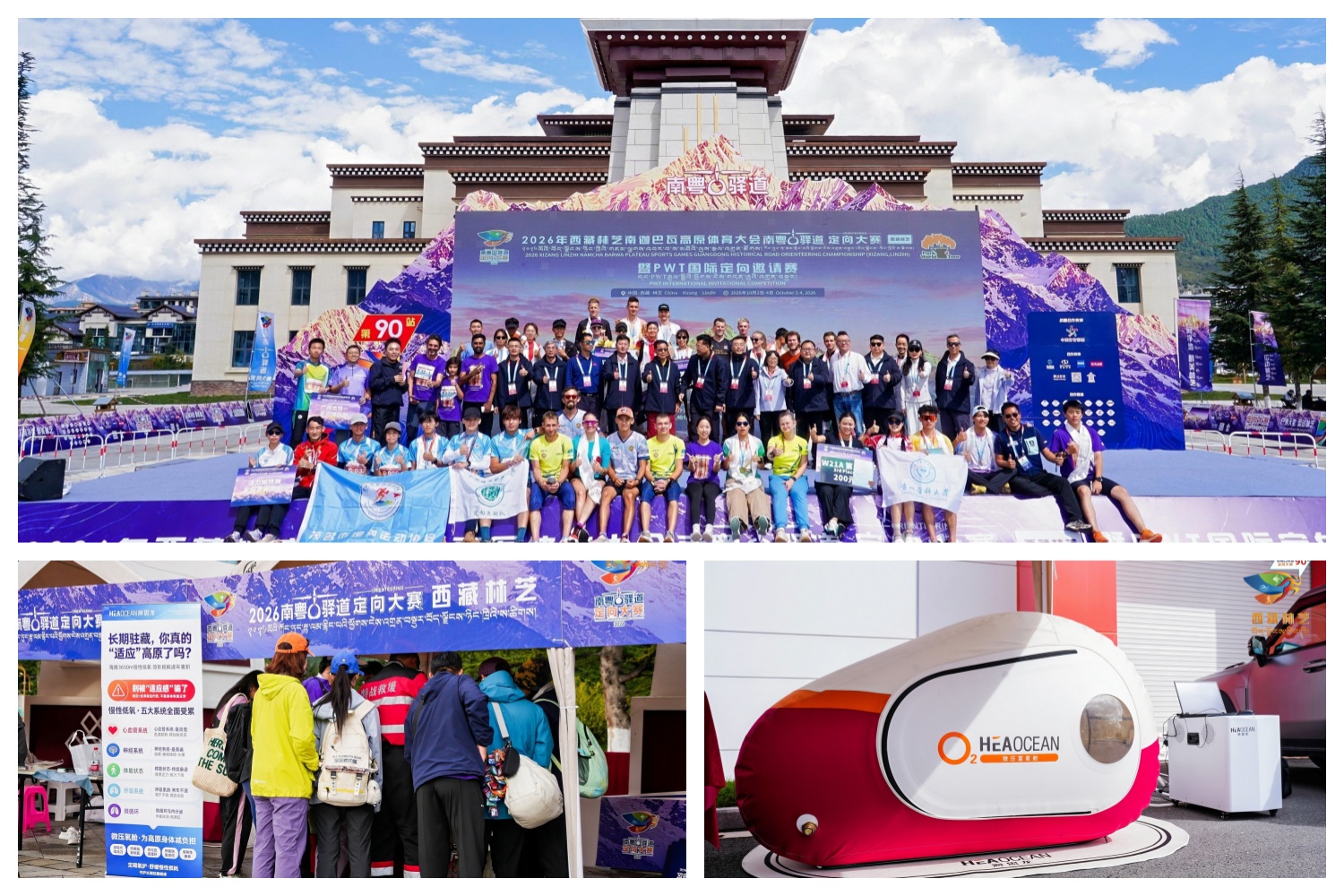
From October 2–4, 2026, we brought our mild hyperbaric oxygen chamber to Nyingchi, Tibet, to support participants at the Nanyue Ancient Post Road Orienteering Competition and PWT International Orienteering Invitational.
For athletes traveling from Guangdong and other lower-elevation regions, the trip involved more than a new racecourse. It also meant adjusting to a high-altitude environment. Our role was to provide an on-site oxygen wellness resource as participants prepared for competition and navigated the demands of their visit.
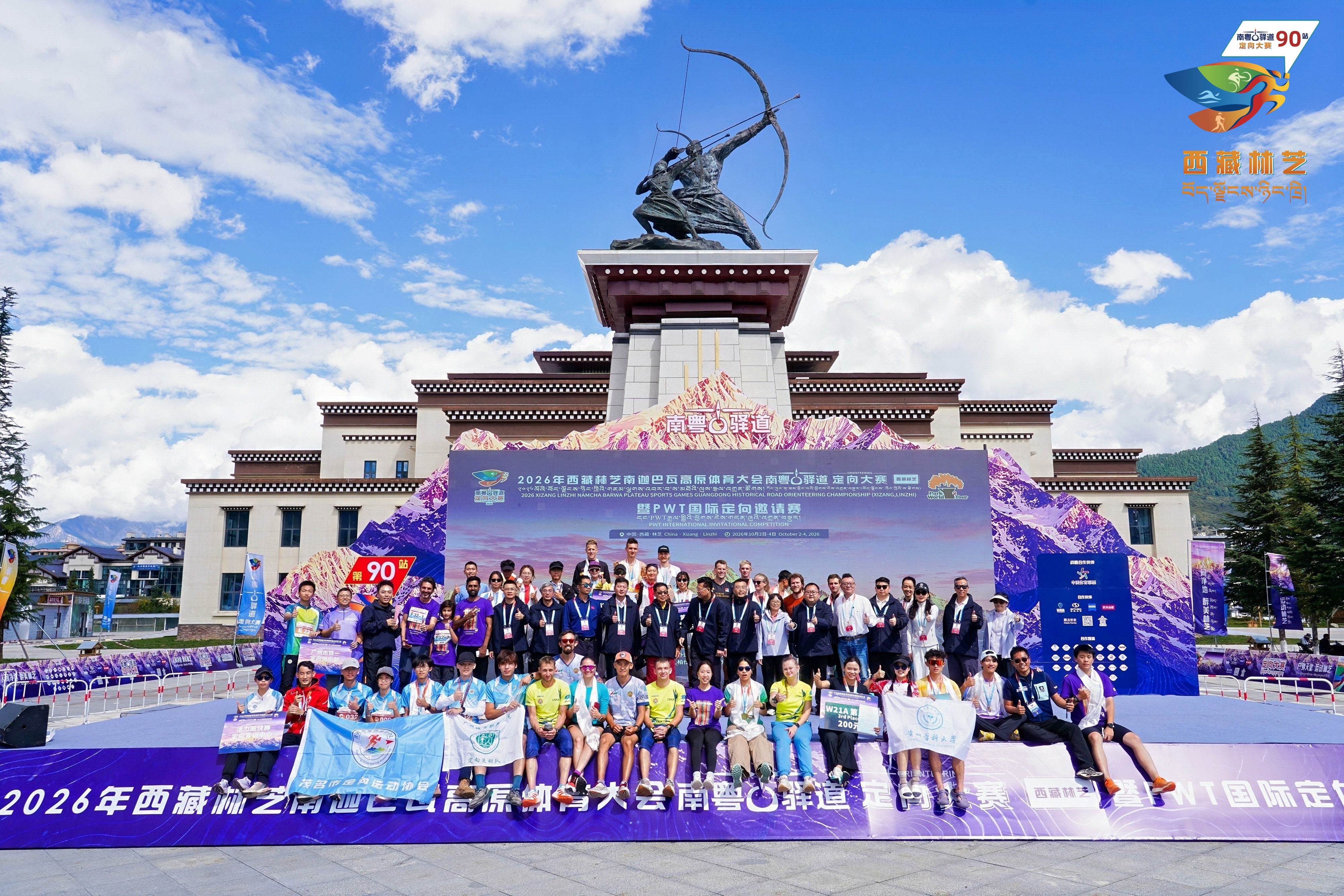
An International Gathering in Tibet
Set against Nyingchi’s mountain landscape, the event brought together international orienteering talent, competitors from across China, and local participants. Competition activities took place at Gongbu Park and in the Nixi area of Bayi District as part of the 2026 Namjagbarwa Plateau Sports Conference.
This was the third consecutive year the Nanyue Ancient Post Road Orienteering Competition had visited Nyingchi. Across two competition days, the event recorded more than 1,000 participant attendances. This year also marked the first PWT International Orienteering Invitational held in Tibet. The elite field included 45 orienteers from 22 countries and from Hong Kong, Macao, and Taiwan.
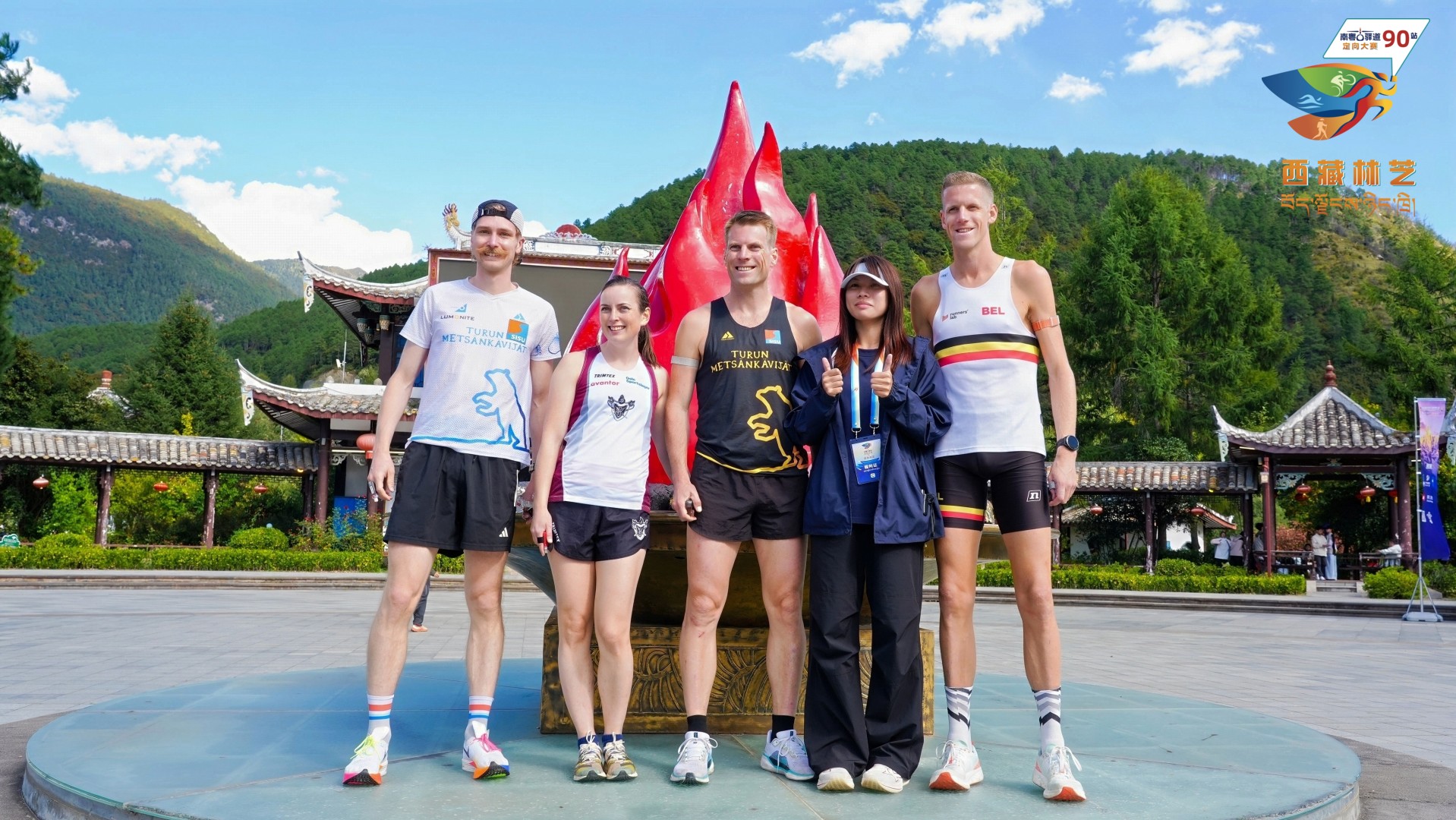
We were proud to bring HEAOCEAN into this setting, where international competition and community participation came together.
Bringing Wellness Support On Site
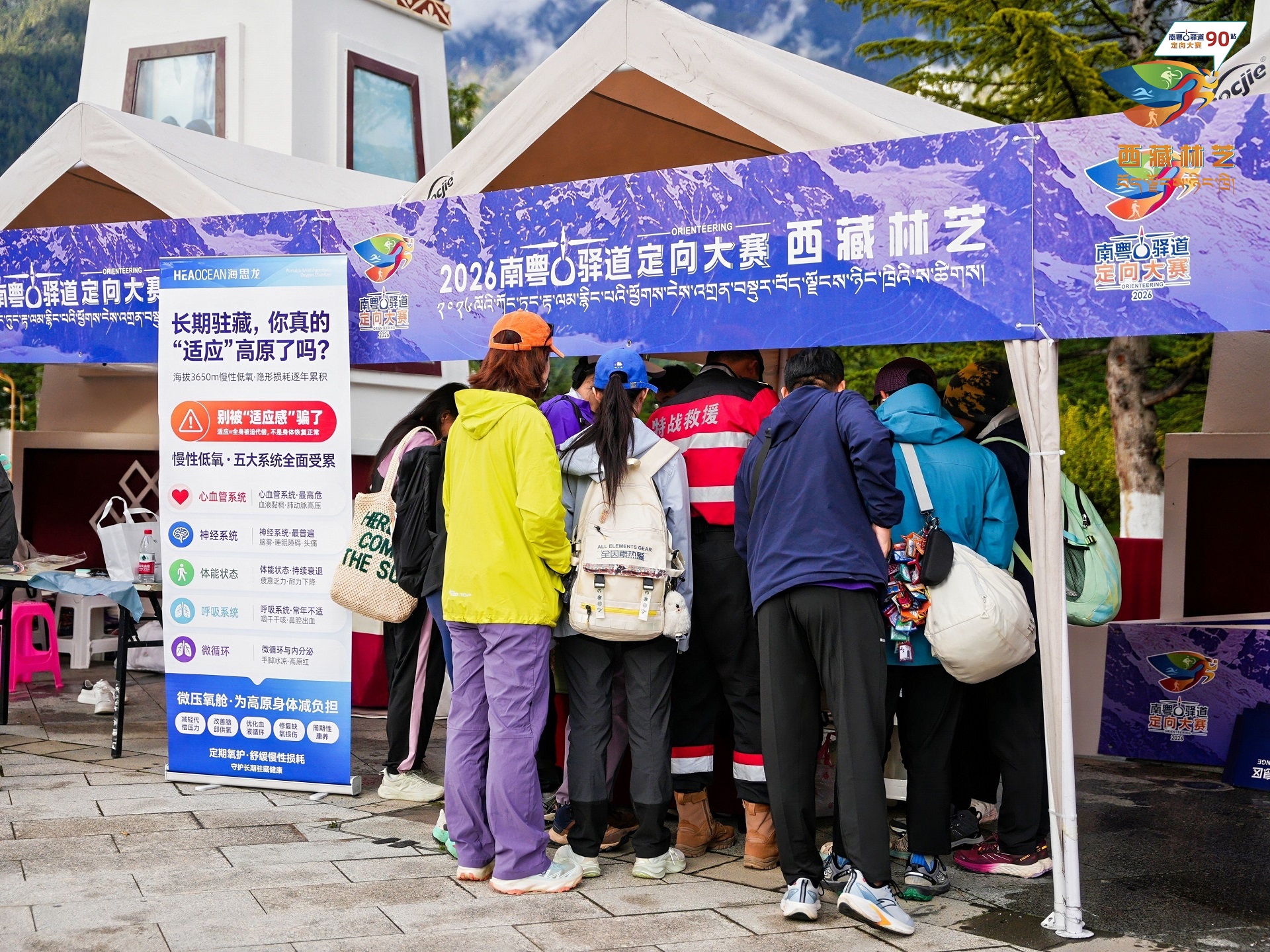
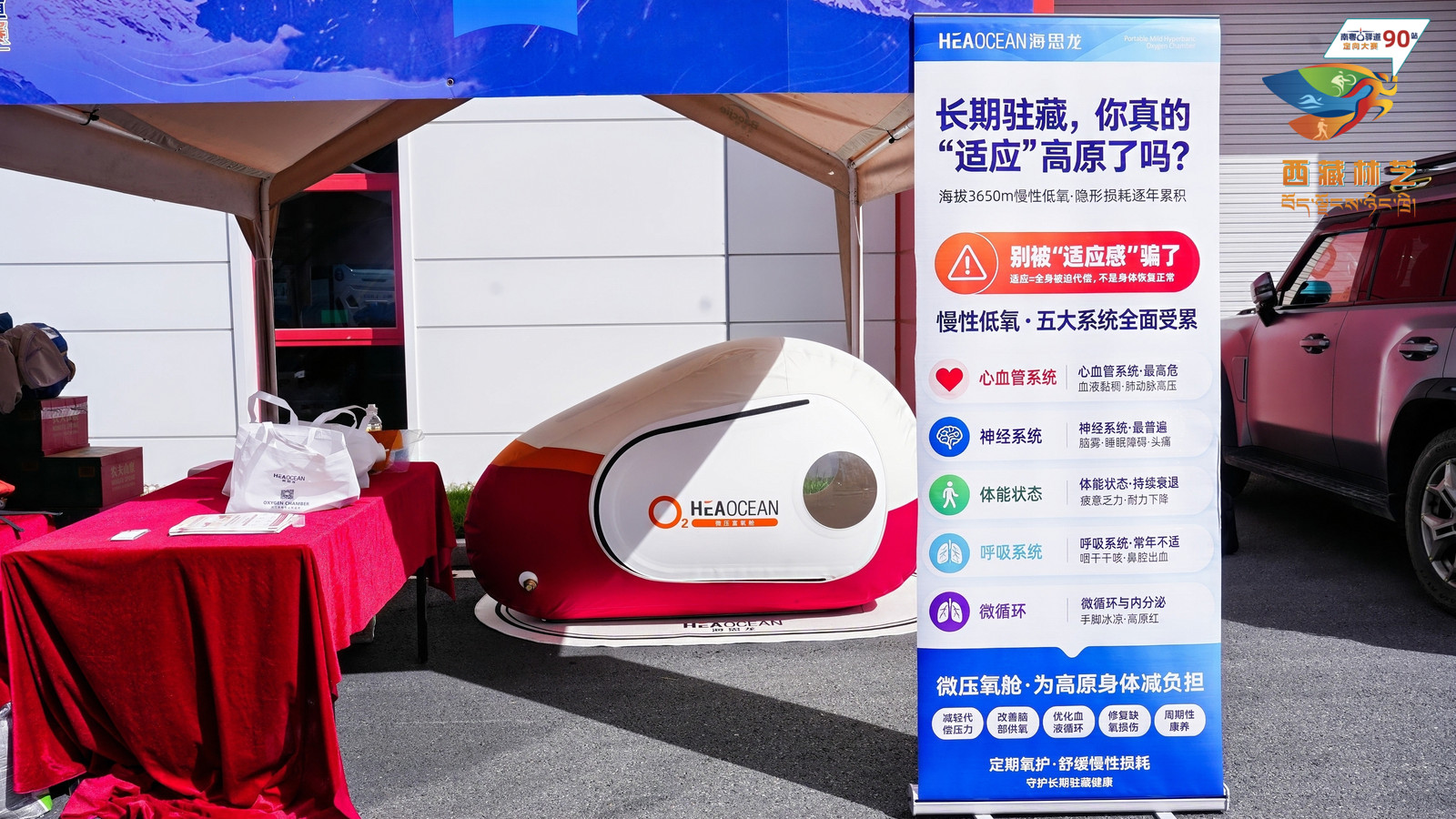
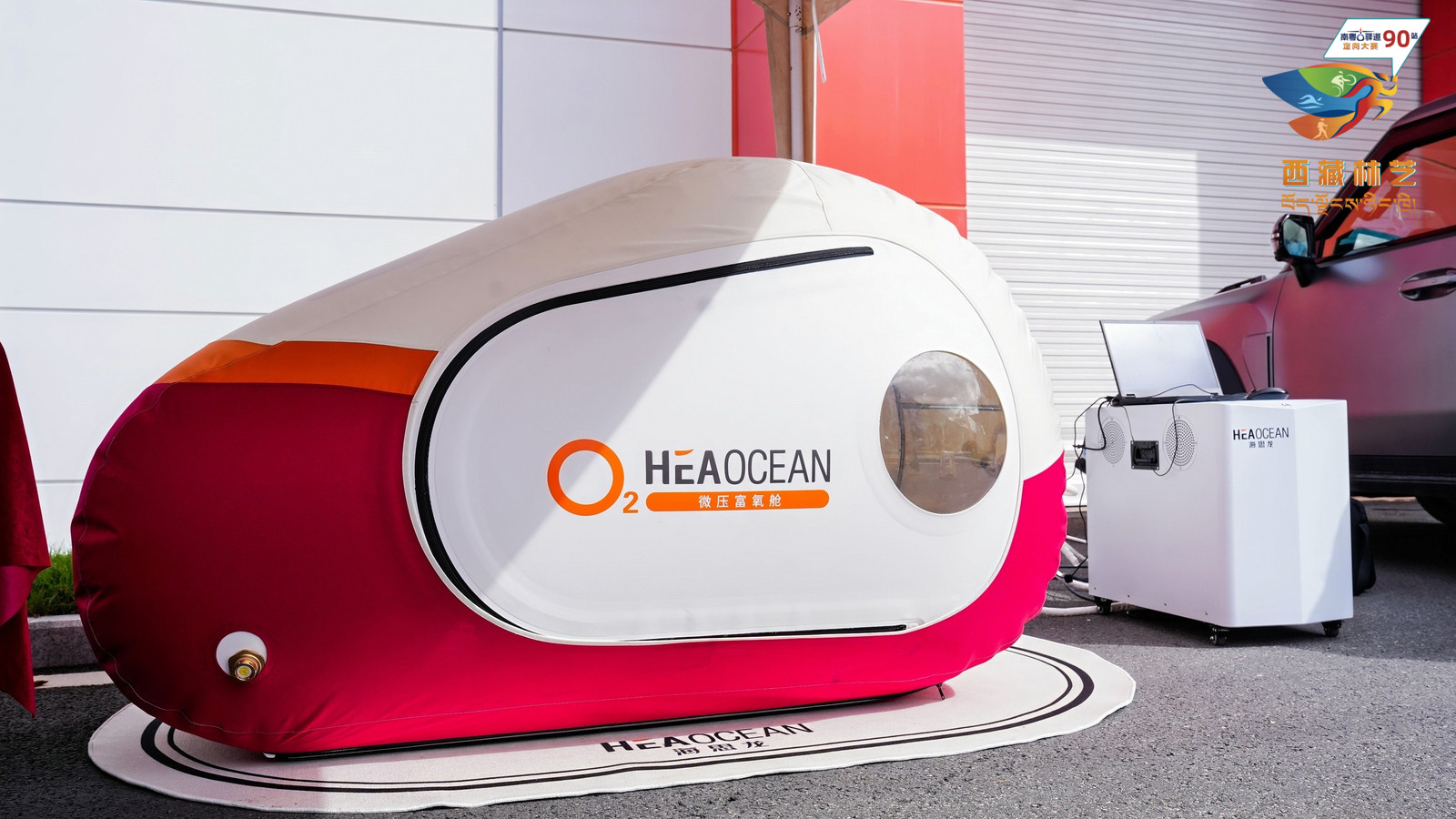
At our event booth, we set up a HEAOCEAN mild hyperbaric oxygen chamber beneath an outdoor tent, alongside its supporting equipment and an information display. The setup brought our product directly into the event environment, where participants and visitors could see it firsthand.
Our focus was straightforward: make oxygen wellness support available to visiting athletes, particularly those arriving from lower elevations.
Some participants used the chamber before their races. These sessions offered a dedicated pause in a busy competition schedule, with the aim of supporting their well-being as they prepared for activity at altitude.
We also welcomed participants who were experiencing altitude-related discomfort. Some reported feeling better after their sessions. That feedback was meaningful to us, while remaining individual experience—not a guarantee that others will have the same response or evidence of improved race performance.
Connecting With Participants
The event gave us an opportunity to connect with people beyond a product page. Visitors gathered at our booth to take a closer look at the chamber and learn about our approach to oxygen wellness.
For us, bringing a product to an event is about more than displaying equipment. It is about understanding the setting in which people may use it and keeping their needs at the center of the conversation.
In Nyingchi, that setting included travel from lower elevations, a demanding race schedule, and an unfamiliar environment. Our on-site presence focused on participant well-being—not on promising a competitive advantage.
The photographs from the event capture that experience: competitors on the course, participants coming together, and our chamber set up at the venue.
Wellness With a Responsible Approach
We see mild hyperbaric oxygen wellness as one part of a broader conversation about taking care of yourself—not a shortcut around preparation or professional care.
At altitude, even well-trained athletes need to pay attention to how they feel. Physical fitness does not eliminate the risk of altitude illness, and acclimatization takes time. Gradual ascent and appropriate acclimatization remain important considerations for travelers arriving from lower elevations.
Our chamber sessions should not be treated as a substitute for that process or for medical assessment. Anyone experiencing worsening symptoms should stop further ascent and seek appropriate help. Confusion, difficulty walking, or breathlessness at rest require urgent medical attention.
Being part of the Nyingchi event reinforced what matters to us at HEAOCEAN: bringing our products into real-world settings, listening to the people who encounter them, and communicating their role responsibly.
We were glad to support participants during their visit to Nyingchi and to share this experience with our community.
On-Site Participation and Feedback
During the event, we served more than 50 people, with most trial sessions lasting 20–30 minutes.
Based on our on-site data, more than 40 participants had blood oxygen saturation readings that increased from 80% before their sessions to 95% or higher afterward. More than 20 participants who had experienced dizziness or other discomfort before using our mild hyperbaric oxygen chamber reported that those symptoms had nearly disappeared following their sessions.
These observations gave us encouraging feedback about participants’ immediate experiences at the event. They also reinforced the value of documenting both readings and personal feedback when bringing our equipment into real-world wellness settings.
These figures reflect our on-site observations, not a controlled clinical study. They do not establish that the chamber alone caused the changes, demonstrate lasting benefits, or guarantee similar results for others. Blood oxygen readings can also be affected by the measurement device and conditions, so they should be interpreted alongside symptoms and professional medical assessment—not used alone to judge someone’s health.
Our priority remains participant well-being. Chamber sessions are not a substitute for acclimatization, medical evaluation, or emergency care, particularly when someone has a low oxygen reading or persistent altitude-related symptoms.
Health note: This article shares our event experience and general wellness information. Participant feedback reflects individual experiences, not clinical findings. Mild hyperbaric oxygen wellness sessions are not a substitute for acclimatization, medical evaluation, or emergency treatment.